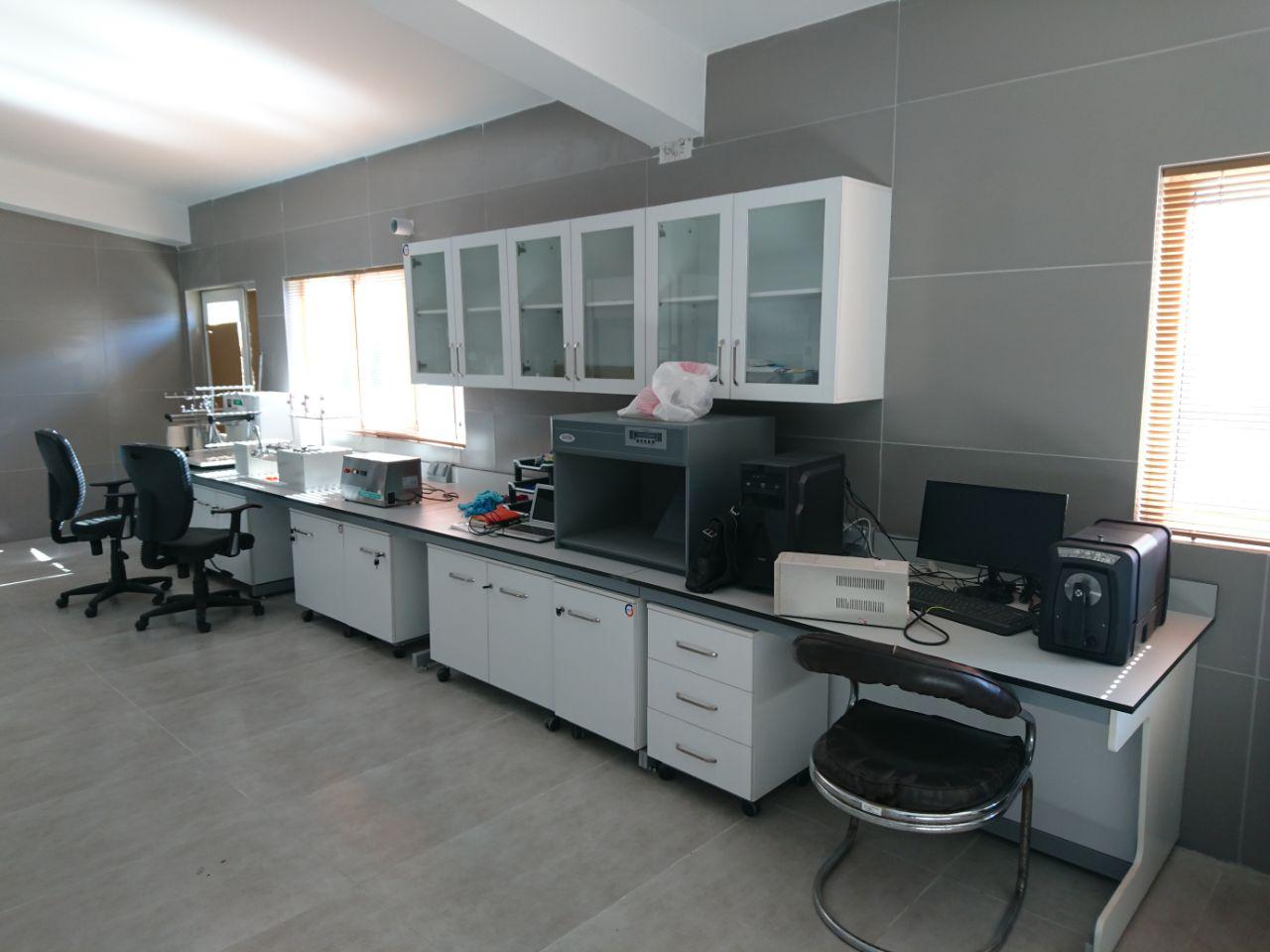
Material & process laboratory
Formulation, conditioning and controlled trials establish how material behaviour changes with temperature, atmosphere, tension, chemistry and time.
EPCOTEC R&D CENTER · HIMO MONSCHAU
EPCOTEC develops fiber, textile, plasma, nanofiber and biomedical processes with one clear objective: a technically convincing idea must become measurable, reproducible and scalable. Our R&D work connects material science, process development, custom equipment, automation and validation—so the handover to an industrial project is based on evidence rather than assumption.
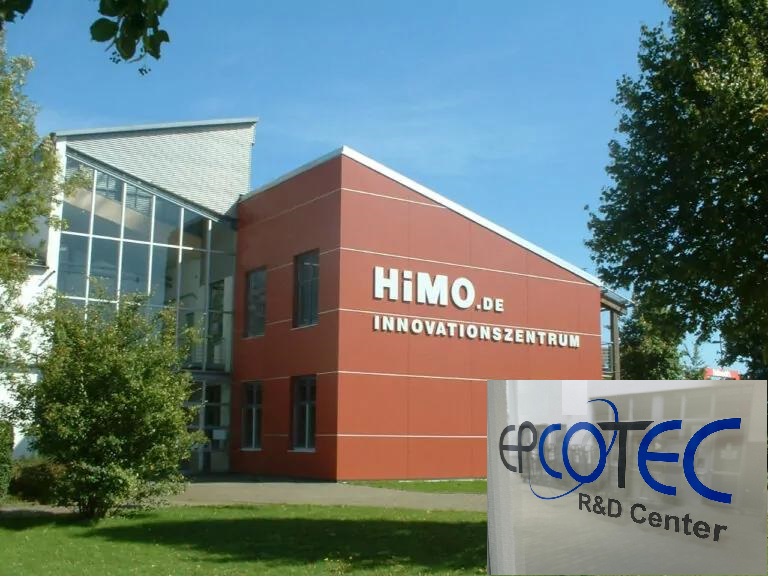
AN INNOVATION ENVIRONMENT, NOT AN ISOLATED LAB
The EPCOTEC R&D Center is located at HIMO Innovationszentrum in Monschau, close to the Aachen technology region. HIMO is conceived as a flexible home for innovative companies: office, production and storage spaces can be configured around changing development needs, while shared infrastructure and an active community make technical exchange part of everyday work.
For EPCOTEC, this environment supports the complete early project cycle—from confidential technical discussions and sample preparation to apparatus development, pilot assembly, automation trials and technology demonstrations. Proximity to the RWTH Aachen ecosystem and a network of engineering-oriented companies helps shorten the distance between a research question and a buildable solution.
EPCOTEC R&D CAPABILITIES
Each activity must answer a project question: Can the material be processed? Which parameters control quality? What must the pilot reproduce? Which data are required for safe scale-up? The equipment and test route are selected around that decision.
Formulation, conditioning and controlled trials establish how material behaviour changes with temperature, atmosphere, tension, chemistry and time.
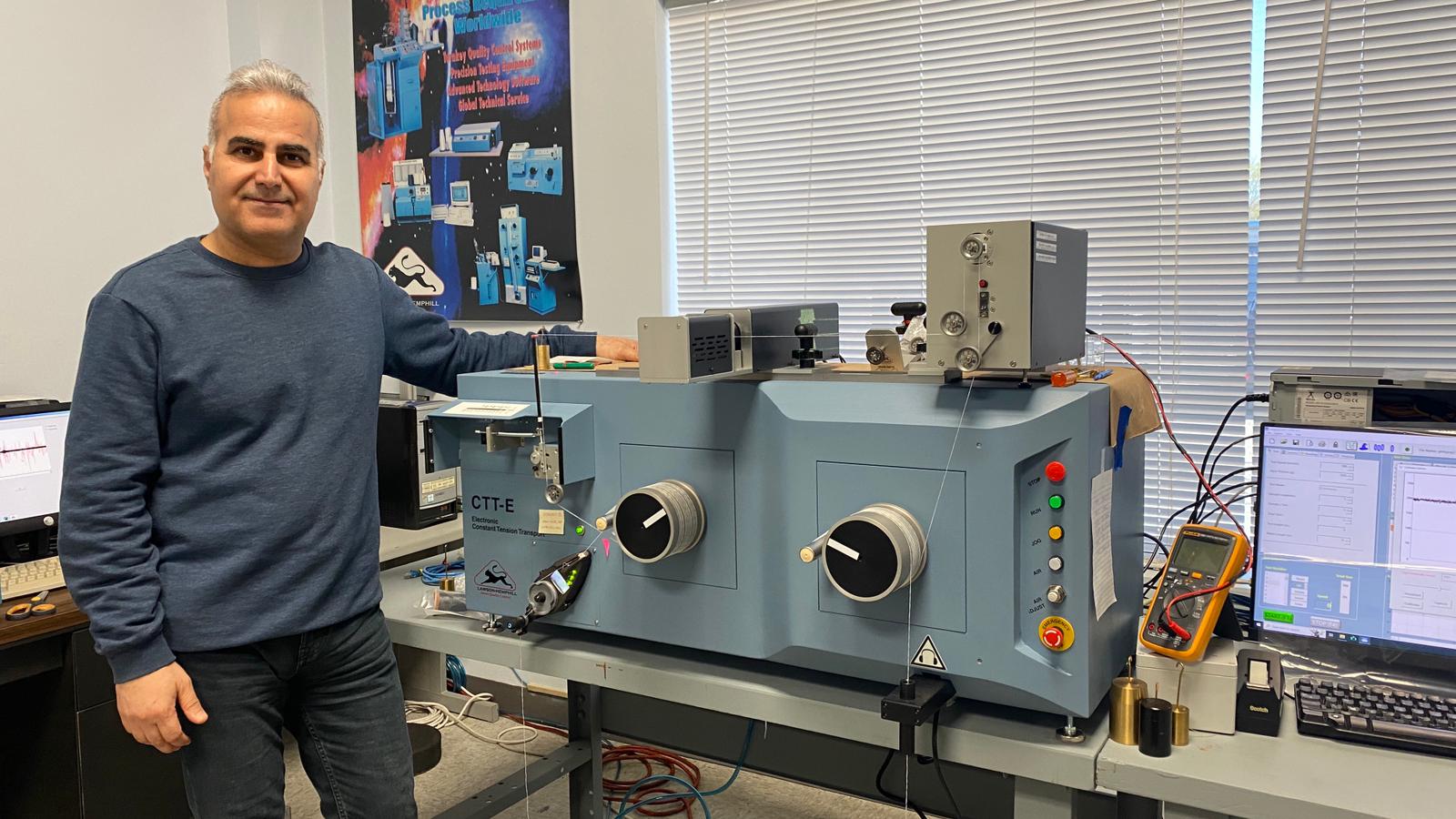
Yarn, fiber, fabric and nonwoven properties are measured before and after treatment so that development decisions are based on comparable evidence.
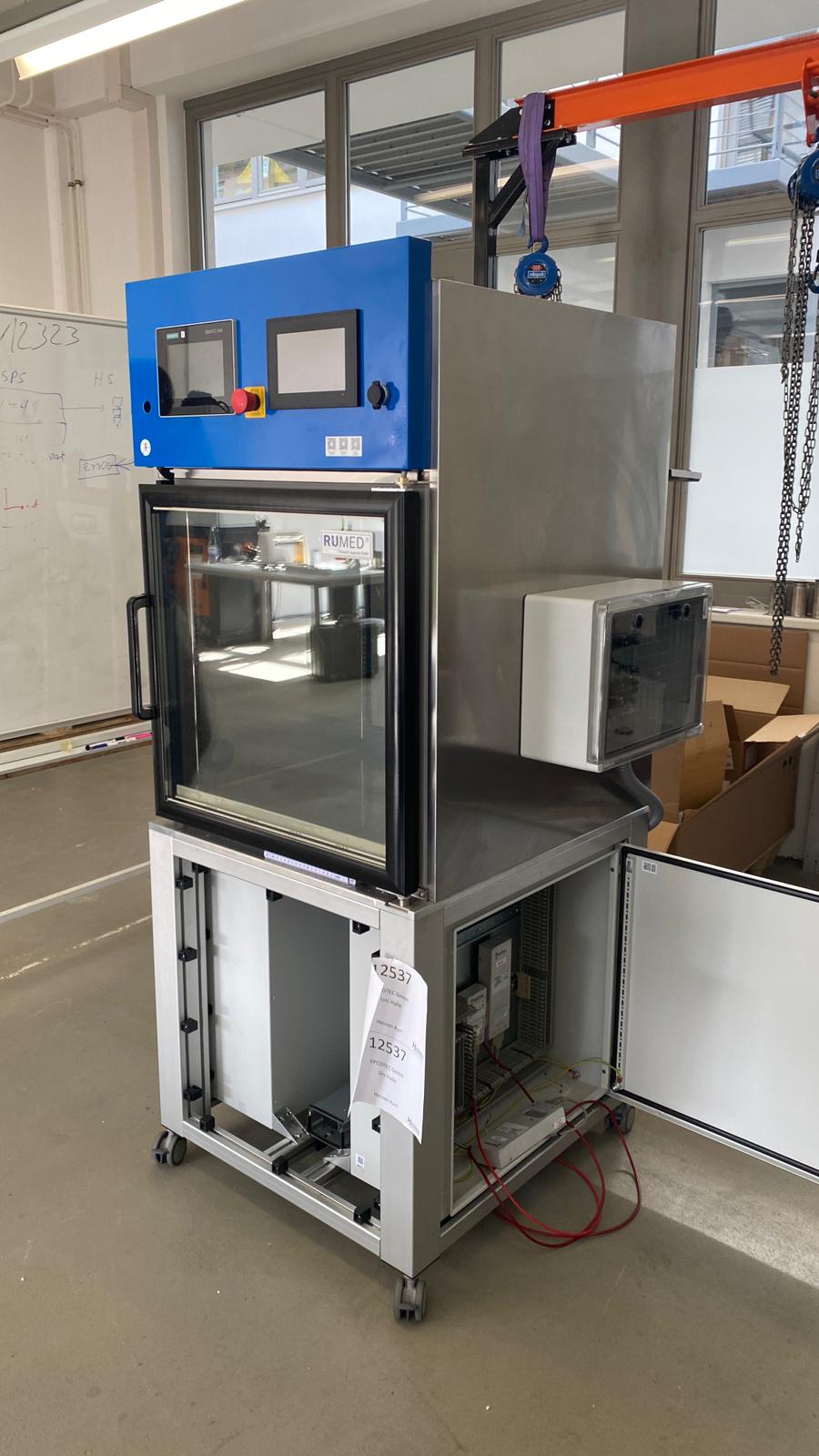
Purpose-built modules reproduce the decisive process conditions and interfaces needed to validate a concept before industrial sizing.
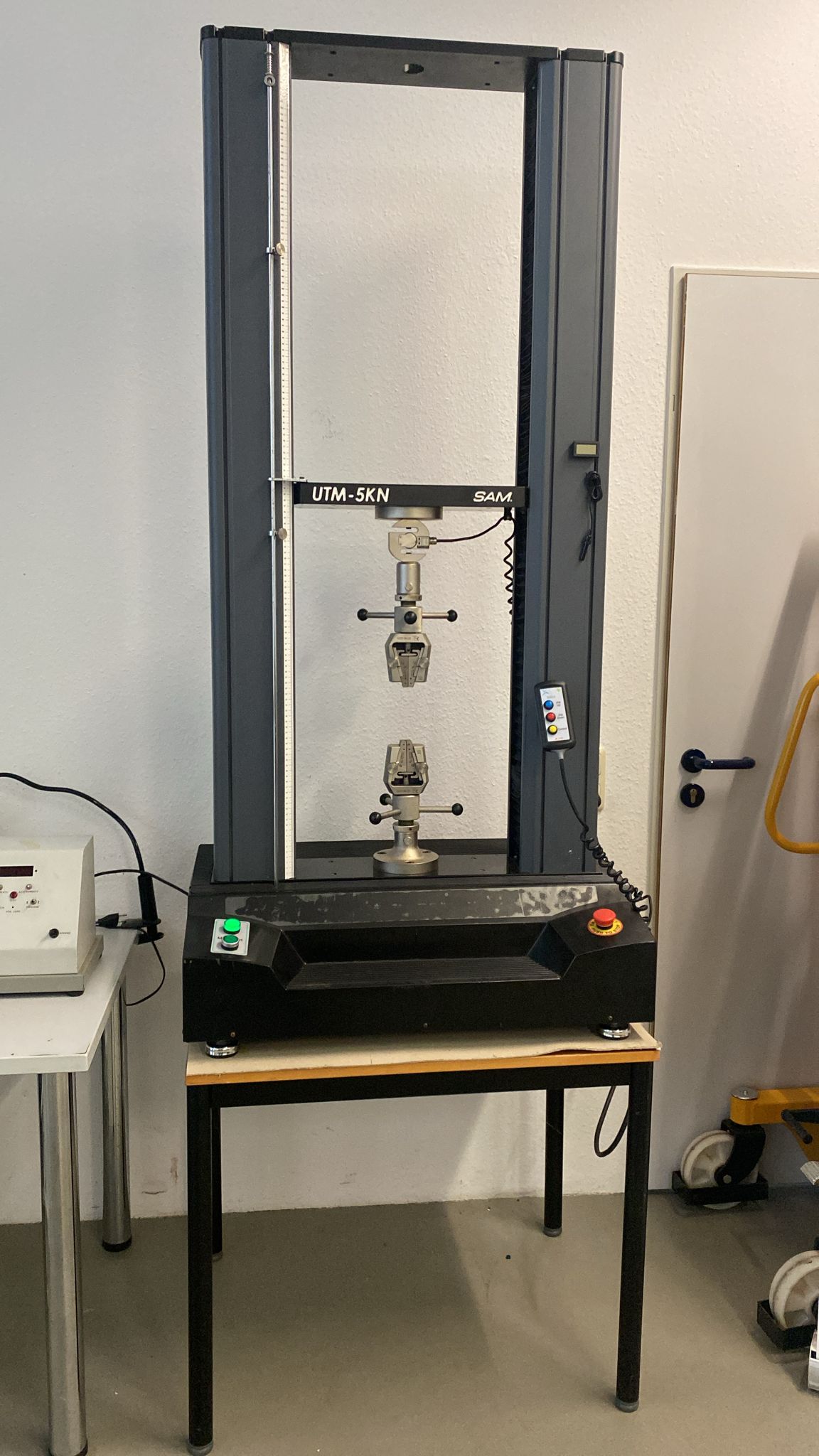
Strength, elongation and application-specific performance are connected to process parameters and documented acceptance windows.
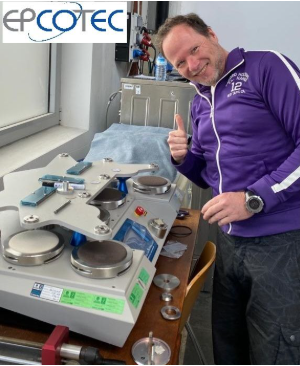
HANDS-ON APPARATUS DEVELOPMENT
Thomas is shown working directly with a development apparatus—representative of the practical engineering culture behind EPCOTEC projects. Fixtures, electrodes, collectors, drives, sensors and test assemblies are not treated as abstract components. They are assembled, measured and refined until the required function can be reproduced safely and consistently.
This hands-on loop is especially important for new fiber and surface technologies, where geometry, material handling and process atmosphere interact. Observations from the apparatus feed directly into the next design revision and ultimately into the specification of the pilot machine.
ENGINEERING & AUTOMATION COOPERATION
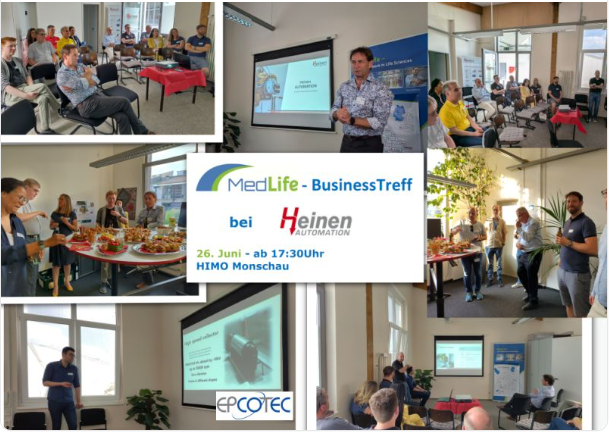
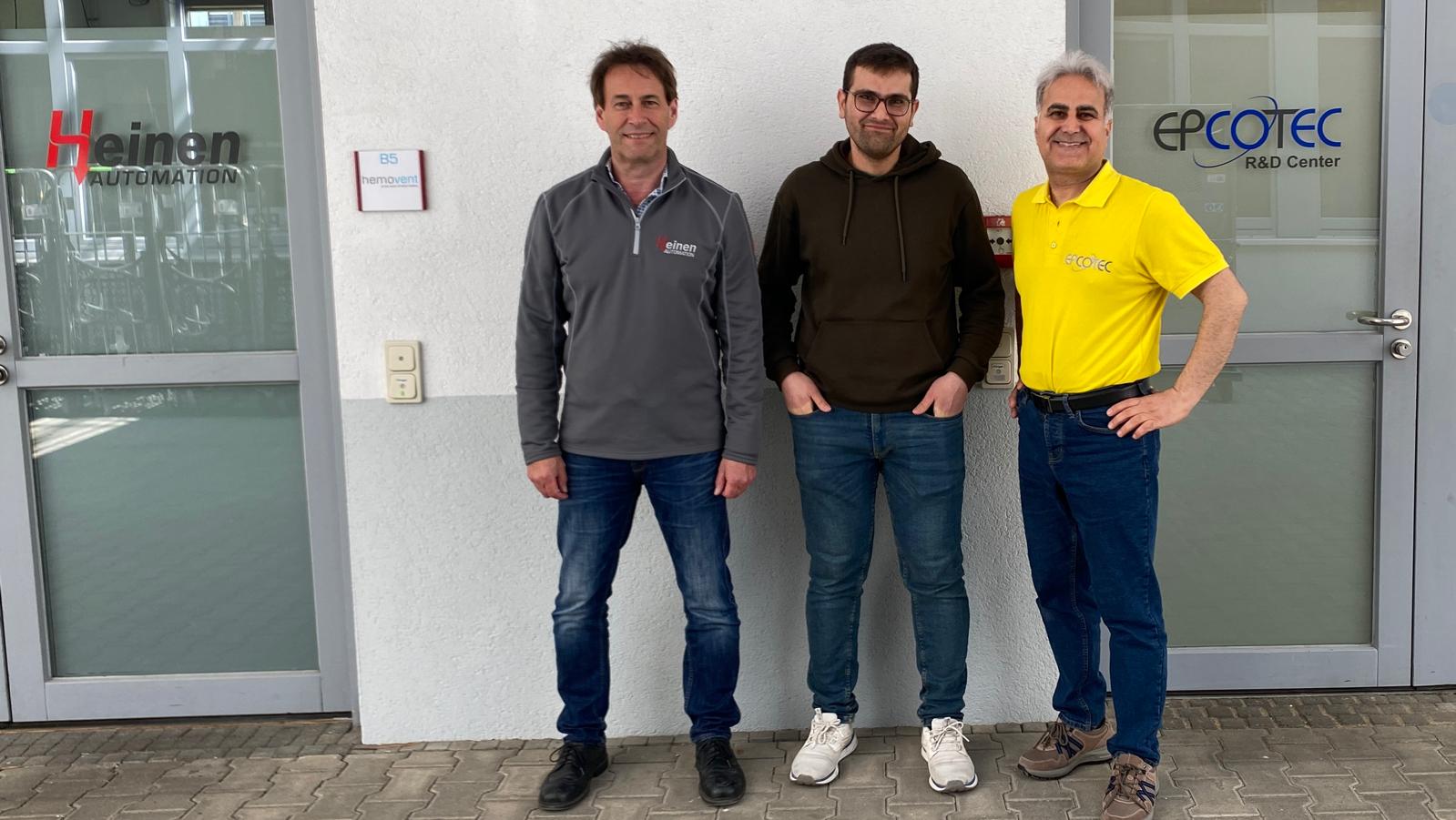
EPCOTEC and Heinen Automation cooperate in the development and implementation of machinery and automated equipment. EPCOTEC defines the material behaviour, process window, product target, pilot evidence and scale-up requirements. These inputs become the technical brief for a machine that must do more than move material—it must reproduce the process reliably.
Heinen contributes more than two decades of industrial automation experience, including special-machine engineering, PLC programming, HMI and SCADA visualisation, electrical and mechanical design, robotics, industrial image processing and CE-oriented technical documentation. Depending on the project, the cooperation can cover an automation module, a purpose-built pilot or the coordinated realisation of a complete system.
THE EPCOTEC PROJECT PRINCIPLE
EPCOTEC does not jump from an attractive laboratory result to a full production line. We build the smallest representative pilot, validate quality and stability, and use the resulting data as the design basis for industrial equipment.
Translate the material, product target and business case into measurable technical questions.
Characterise mechanisms, risks and operating variables through structured laboratory work.
Engineer a pilot that represents the critical industrial physics, controls and interfaces.
Run repeatable trials, document product quality and establish a reliable operating window.
Transfer the verified data into automation, equipment sizing, procurement and commissioning.
It is a documented process window, a defined equipment concept, validated interfaces and a practical decision basis for procurement, industrial scale-up or the next research phase.
START WITH THE TECHNICAL QUESTION
We will help define the most useful first step—analytical work, a controlled laboratory trial, an application-specific test kit or a representative pilot system.
Discuss an R&D projectTHE EPCOTEC PROJECT PRINCIPLE
Every new EPCOTEC process begins with a purpose-built pilot system. We verify material behavior, product quality, operating stability, safety, energy demand and all critical interfaces. Only after the pilot meets the agreed technical and economic criteria do we define the industrial scale-up and production plant.