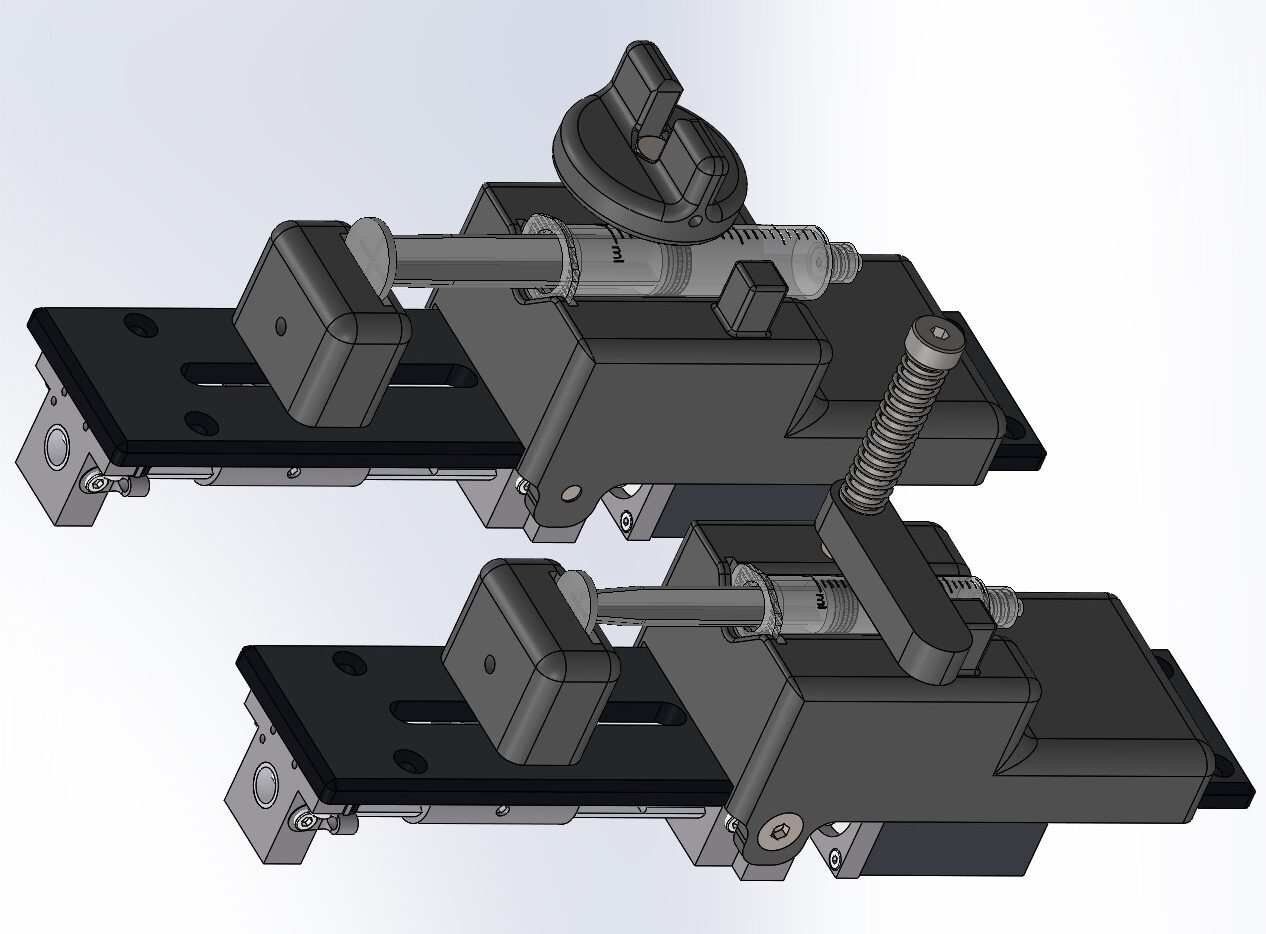
Precision dosing kits
Externally accessible single- and multi-channel pumps support sterile loading, stable low-flow delivery and structured comparison of formulations.

BIOMEDICAL FIBER SYSTEMS
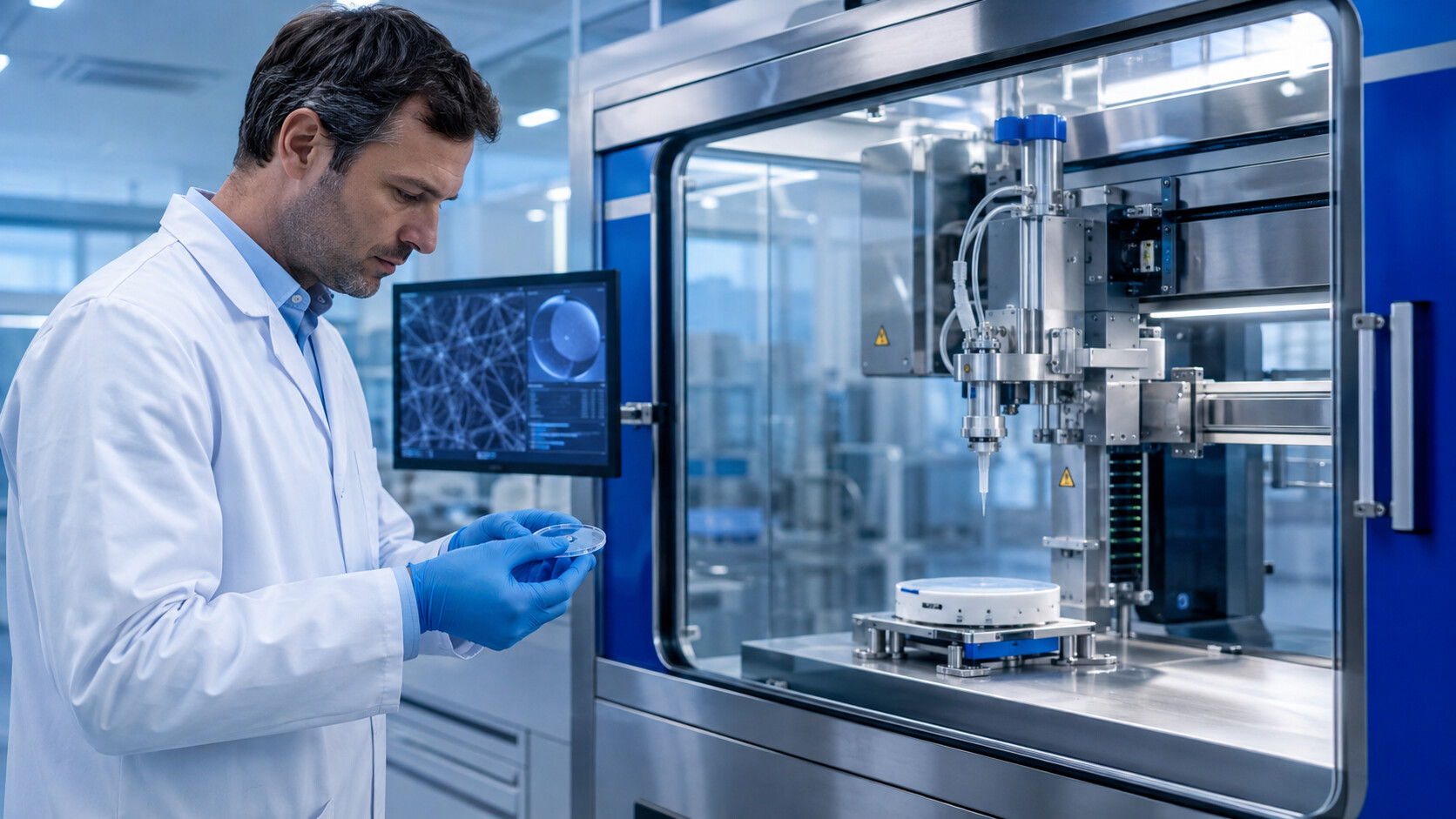
EPCOTEC designs and builds fully enclosed electrospinning machines at laboratory, pilot and industrial scale for biomedical fibers, membranes, scaffolds and functional medical structures. Every platform combines fiber formation with controlled temperature and humidity, safe high-voltage operation, isolated processing and hygienic access concepts that can be configured for GMP-oriented production. Precision pumps are loaded from outside the protected chamber, reducing unnecessary intervention in the sterile process area. A wireless in-chamber camera developed by EPCOTEC records jet formation and deposition without opening the enclosure. AI-assisted image processing helps identify stable operating conditions, detect deviations and manufacture uniform products with documented quality. Machine architecture, safety, automation and validation are tailored to the material and medical pathway, while critical components are selected from established European and American suppliers including Siemens, Festo, Spellman, SPEETEC and Romed.
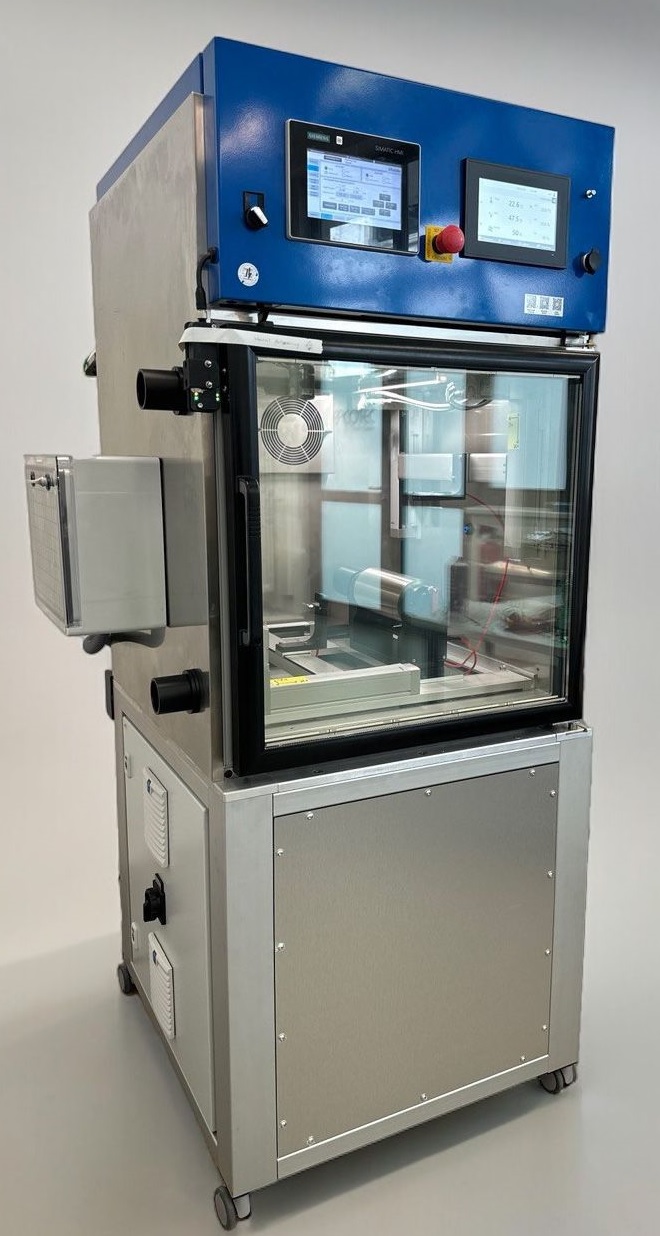
ENGINEERED FOR CONTROLLED BIOMEDICAL PRODUCTION
Biomedical fiber production demands more than a stable Taylor cone. The enclosure, air path, material loading, high-voltage interfaces, cleaning strategy, collector exchange, traceability and operator workflow all influence the final product. EPCOTEC begins with the intended function and converts it into critical quality attributes such as fiber diameter, orientation, pore distribution, surface chemistry, active-content uniformity and sterility strategy.
The platform is configured around the required documentation and qualification route. Climate recipes, pump programs, collector speed, camera records, alarms and batch-relevant values become a repeatable operating philosophy suitable for research, pilot evidence and GMP-oriented industrial implementation.
E-SPINE · ARTIFICIAL-LUNG RESEARCH
Artificial-lung concepts require a membrane that brings a very large active surface into a compact volume while maintaining controlled pores, low resistance and dependable separation between blood and gas. Nanofiber structures are promising because fiber diameter, orientation, porosity and surface chemistry can be tuned separately and combined with a mechanically stable carrier.
EPCOTEC links formulation, electrospinning, climate control and collector geometry with microscopy, permeability and functional tests. The goal is not a single attractive sample but a repeatable membrane architecture that can be manufactured in isolation, documented during extended runs and transferred into a validated pilot and production concept. In the video, Sascha presents the E-Spine platform used for such demanding biomedical development.
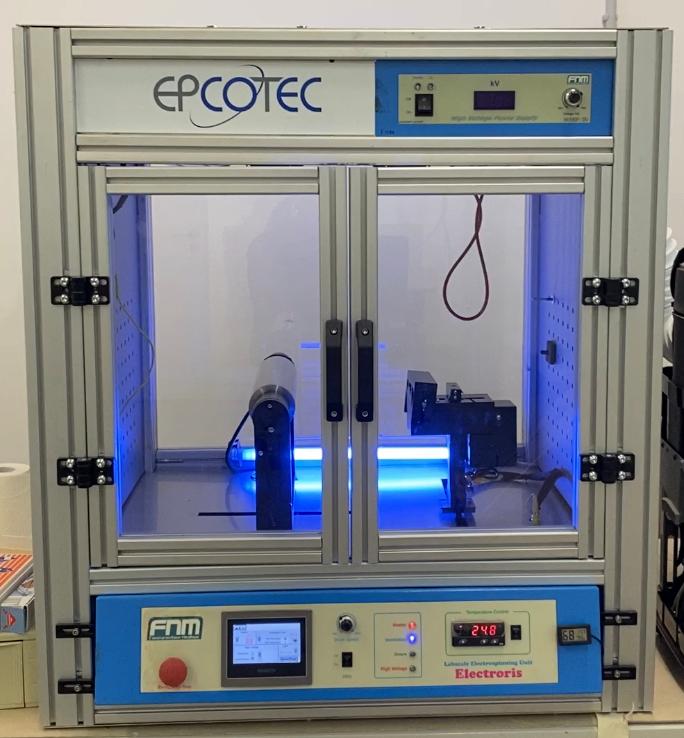
FROM LAB TO LINE
EPCOTEC develops the complete electrospinning architecture rather than placing a generic spinning head inside an enclosure. Dosing pumps, collectors, high-voltage sources, climate modules, substrate transport, exhaust, sensors, controls and imaging are available as modular development kits. Every function can be tested independently with the real material, measured under realistic conditions and then combined step by step.
This approach reveals dosing pulsation, humidity sensitivity, field asymmetry, collector slip, substrate-tension effects and deposit buildup before they become expensive system problems. Once behavior is quantified, the best modules are integrated into the enclosed laboratory machine, verified in a representative pilot and scaled to the required width, throughput, hygiene and validation level.
Externally accessible single- and multi-channel pumps support sterile loading, stable low-flow delivery and structured comparison of formulations.
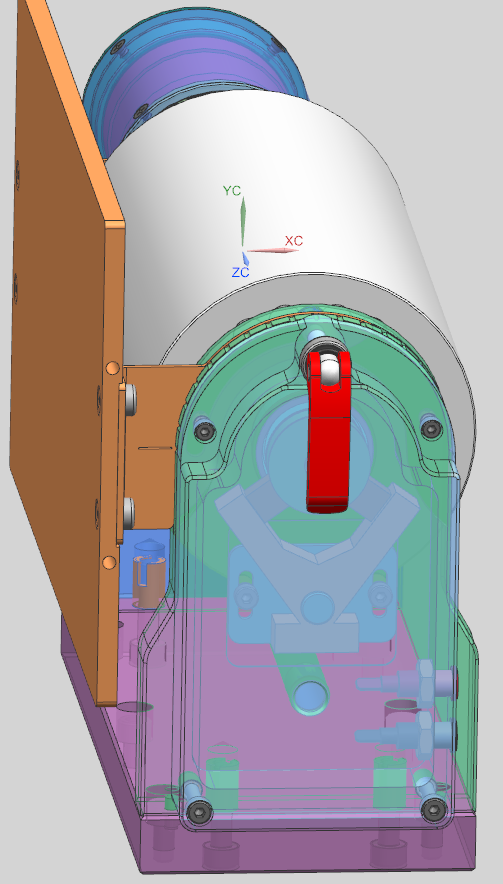
Drum, plate and application-specific collectors are tested for distance, speed, fiber orientation, deposition width and safe product removal.
BIOMEDICAL APPLICATIONS
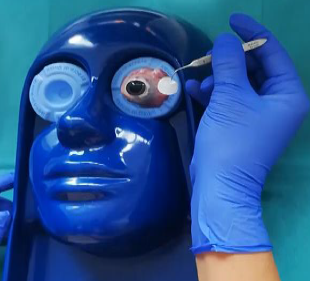
Oriented or random nanofiber matrices reproduce structural features of extracellular tissue. Fiber chemistry, pore size, surface energy, mechanical response and sterilization are engineered around cell attachment and the target tissue.
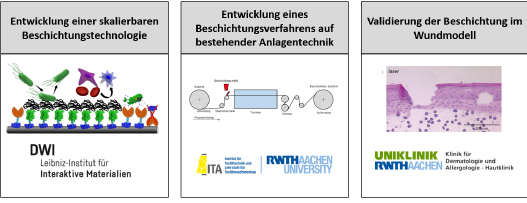
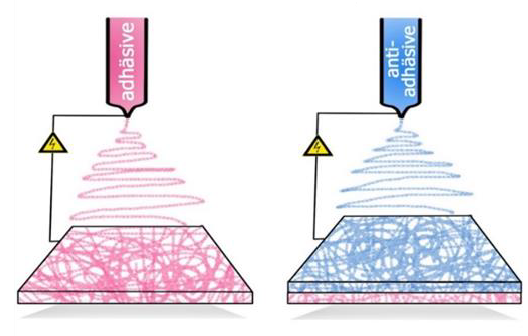
Breathable nanofiber coatings manage moisture, provide a microbial barrier and carry active functions. Coating uniformity and adhesion are linked with wound-model validation and scalable web processing.
Core-shell and functional fibers encapsulate active ingredients and control their release. Dose uniformity, residual solvent, biocompatibility, sterile handling and packaging become one reproducible process.
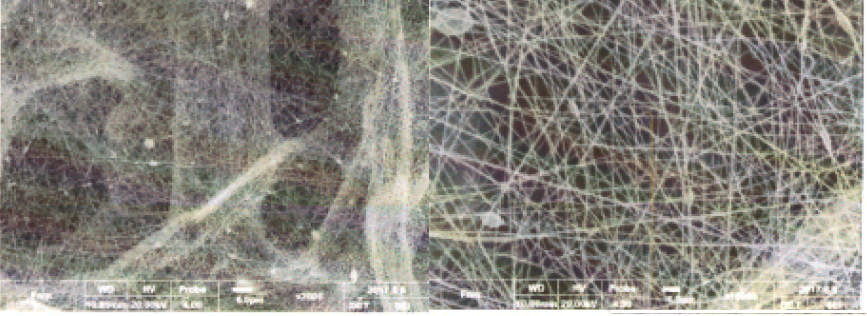
Nanofibers provide high specific surface and a finely controllable pore network at low basis weight. Fiber layer, carrier and bonding are balanced for efficiency, pressure drop, integrity and durability.

A light nanofiber membrane captures fine aerosols while preserving breathability. Continuous deposition, charge stability, lamination and edge-to-edge uniformity are decisive for dependable filter media.
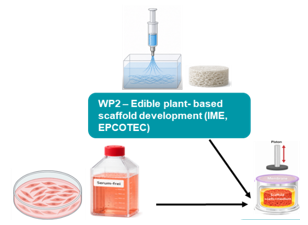
Edible plant-derived fibers form porous scaffolds for structured foods and cultivated-tissue concepts. Formulation, food-compatible processing, geometry and hygienic scale-up are developed together.
THE EPCOTEC PROJECT PRINCIPLE
A biomedical project must keep product function, material behavior, machine physics, hygiene, regulatory expectations and scale-up data connected. EPCOTEC therefore uses five controlled phases. Every phase ends with a measurable result, a technical decision and a documented handover.
Translate the clinical objective into measurable fiber, membrane, dose, sterility and capacity requirements.
Use modular kits to map formulation, pump behavior, voltage, climate, airflow, collector geometry and imaging criteria.
Integrate decisive functions in an enclosed representative machine with realistic controls, safety and procedures.
Run extended campaigns, produce qualified samples and document uniformity, cleaning, alarms, utilities and limits.
Scale output, implement GMP-oriented automation and documentation, install, commission and support qualification.
YOUR MATERIAL · OUR PROCESS
For an ocular scaffold, artificial-lung membrane, wound layer, medical filter or bio-based structure, the first step is to define the function and the evidence it must satisfy. EPCOTEC then selects the formulation tests, collector, climate window, imaging method and pilot configuration needed to create a defensible production concept.
Discuss a biomedical fiber project